
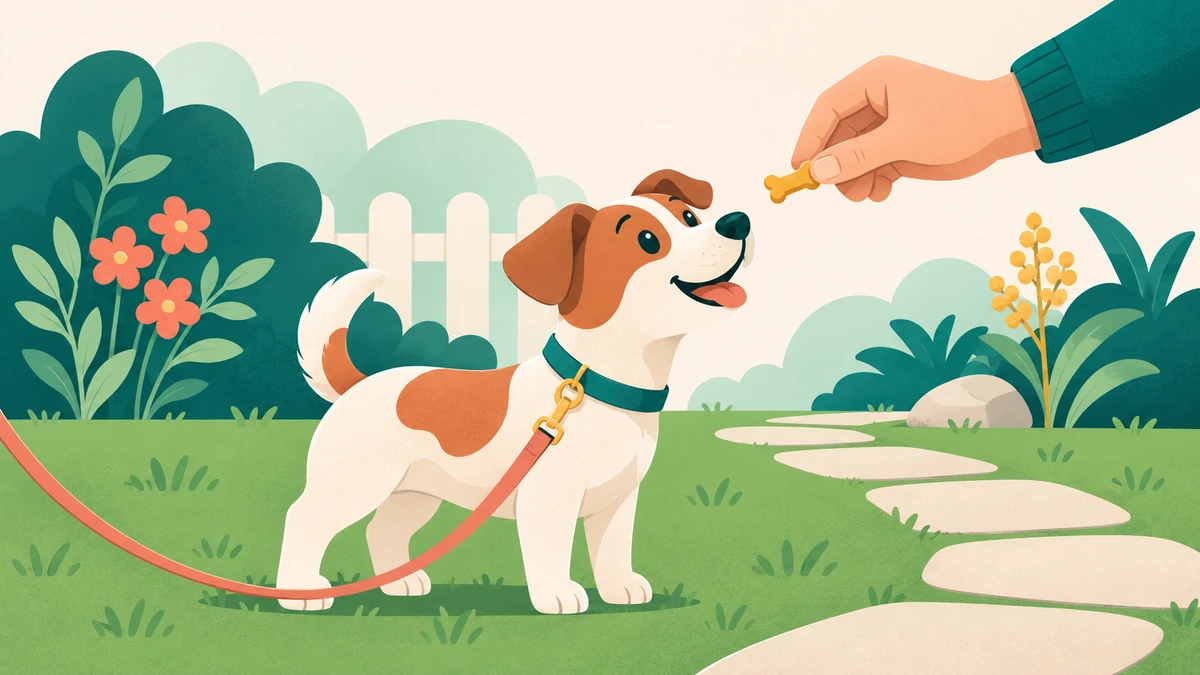
To get your dog to poop outside, take them out on a predictable schedule, especially after meals, naps, and play. Go to the same spot, use a short cue word, and reward them with a treat and praise the moment they finish. Supervise closely indoors, clean accidents with an enzyme cleaner, and never punish mistakes. Keep the routine consistent and adjust it to your dog’s needs.
Quick Summary
- Take your dog out after eating, waking, playing, and before bed.
- Use the same outdoor spot and a cue like “go potty.”
- Reward within a few seconds of them finishing.
- Supervise indoors or use a safe pen or a crate your dog is comfortable with.
- Clean accidents with an enzyme cleaner to remove the smell.
- Never punish. It teaches your dog to hide, not to go outside.
Why Dogs Poop Inside
Dogs are not being stubborn when they have accidents. Usually one of these is going on:
- They have not learned yet that outside is the place to go.
- They were not taken out at the right time.
- They smell an old accident spot and go there again.
- They are anxious, sick, or in a new environment.
- Puppies simply cannot hold it very long.
Routine and timing help with training; illness or sudden changes need a veterinarian’s attention.
Step 1: Set a Predictable Schedule
Most dogs need to poop shortly after eating. Feed meals at the same times each day so bathroom breaks become predictable too. Take your dog out:
- First thing in the morning
- Within about 5 to 30 minutes after each meal
- Right after waking from a nap
- After play sessions
- Last thing before bed
Young puppies need to go out much more often, including during the night at first. As they get older, they can hold it longer.
Step 2: Pick One Spot
Always take your dog to the same patch of yard or grass on a leash. The familiar smell tells them this is the bathroom. Stand still and be boring. This is not playtime yet.
Step 3: Use a Cue Word
As your dog starts to go, say a calm cue like “go potty” or “do your business.” Over time, they connect the phrase with the action, which helps on trips, in bad weather, or when you are short on time.
Step 4: Reward Immediately
Timing is everything. Give a small, tasty treat and happy praise within a few seconds of your dog finishing, while you are still at the spot. If you wait until you are back inside, your dog connects the treat with walking in the door, not with pooping outside. After the reward, a little play or a walk is a great bonus.
Step 5: Supervise Indoors
Most accidents happen when no one is watching. While training:
- Keep your dog in the same room as you. A baby gate or a leash tied to your belt helps.
- Watch for signs: sniffing the floor, circling, wandering off, or sudden restlessness.
- When you see those signs, calmly take them outside right away.
Step 6: Use a Crate When You Cannot Watch
Most dogs avoid soiling where they sleep. A properly sized crate, big enough to stand, turn, and lie down but not much bigger, can help prevent accidents when you are busy or away for a short time. Take your dog outside as soon as you let them out. Never use the crate as punishment, and do not leave a dog crated longer than they can comfortably hold it.
Step 7: Handle Accidents the Right Way
If you catch your dog in the act, calmly interrupt with a quick “oops,” pick them up or lead them outside, and reward if they finish there. If you find an accident later, just clean it up. Scolding after the fact does not work because your dog cannot connect it to something they did earlier.
Use an enzyme-based cleaner made for pet messes. Regular household cleaners may leave a smell that only your dog can detect, which invites repeat accidents in the same spot.
Why Punishment Backfires
Yelling, rubbing a dog’s nose in it, or physical punishment teaches your dog that pooping in front of you is dangerous. The result is a dog who sneaks off behind the couch and refuses to go on leash outside. Patience and rewards work much better.
Special Situations
Rescue or adult dogs
Treat them like a puppy at first. Even house-trained dogs may need a refresher in a new home.
Dogs who will not go in rain or cold
Hold an umbrella over them, shovel a small patch of snow, or create a covered area. Keep up the rewards even when the weather is bad.
Dogs who play instead of going
Keep potty trips short and dull. If nothing happens in 5 minutes, go back in, supervise closely, and try again in 10 to 15 minutes.
When to Call the Vet
If a house-trained dog suddenly starts having accidents, has diarrhea, strains, has blood in the stool, or seems unwell, contact your veterinarian. Medical problems can look like training problems.
Training a new puppy? You may also want our guide on how to stop a puppy from biting.
FAQ
How long does it take to potty train a dog?
It varies with age, breed, and consistency. Many puppies make big progress within a few weeks, though occasional accidents can continue for months.
Should I use puppy pads?
Pads can help in apartments or for very young puppies, but they can also teach a dog that going indoors is okay. If your goal is outside only, gradually move the pad toward the door, then move bathroom breaks outside.
Why does my dog poop right after coming inside?
Usually because the outdoor trip was too short or too exciting. Stay out a bit longer, keep it calm, and reward the moment they go.
What is the best cleaner for dog poop accidents?
An enzyme cleaner made for pet stains breaks down the odor that attracts dogs back to the same spot.
Leave a Reply